
"ALONG ME2"
8511 article(s) found
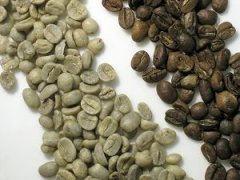
Basic knowledge of Colombian coffee boutique coffee beans
Coffee was first introduced to Colombia in 1808 when it was brought by a priest from the French Antilles via Venezuela. Today, the country is the second largest producer after Brazil, with an annual output of 13 million bags of 60 kg each, while Brazil produces 22 million bags a year. The status of coffee in Colombia can be seen in the following examples-all entering the

Introduction to Colombian Coffee with mild Climate and humid Air
Colombian coffee is divided into more than 200 grades, which means that the coffee is very regional. The country's coffee-producing areas are located in the Andes, where the climate is mild and the air is humid. Colombia has three Codiera mountains running north and south, right into the Andes. Coffee is grown along the highlands of these mountains. The mountain steps provide a diverse climate, and it is the harvest season all year round.

Why is the dried coffee stain a ring instead of a solid circle?
Perhaps some of us have found this interesting phenomenon that coffee spills from a cup often does not leave a solid round stain, but presents a ring mark along the edge of the coffee spill. Of course, no matter what shape the stains are, it won't make it harder for you to erase them. Maybe some of us have found this interesting.

A brief introduction to the planting location, climate and altitude of Galapagos coffee varieties with sour taste and sweet taste
St. Cristobal is a larger island in the Galapagos Islands (Galapagos Islands) and the only one in the archipelago with plenty of fresh water. At an altitude of 410m, there is a small lake called El.Junco. Several streams flow along the rocks and volcanic rocks on the southern slope of the island. Shengke is nourished by mineral-rich fresh water.

Introduction to the types of coffee the refreshing Colombian coffee
Coffee was first introduced to Colombia in 1808 when it was brought by a priest from the French Antilles via Venezuela. Today, the country is the second largest producer after Brazil, with an annual output of 13 million bags of 60 kg each, while Brazil produces 22 million bags a year. The status of coffee in Colombia can be seen in the following examples-all entering the

Soft Colombia Coffee Flavor Manor Features Fine Coffee Introduction
Colombia is fortunate to have Atlantic and Pacific ports, which help to reduce the cost of transporting coffee, and it is the only country in South America that has this condition. The main productive areas of Colombia are located in the Central and Eastern Mountains. The most important plantations distributed along the Central Mountains are located in Medellin, Armenia and Manizales.

Taste and flavor characteristics of sun-dried coffee beans in Guanacaster Canitas Manor, Costa Rica
Professional coffee knowledge exchange more coffee bean information Please follow the coffee workshop (Wechat official account cafe_style) in recent years, Costa Rican coffee beans due to the improvement of American coffee bean production technology, the flavor performance has greatly changed in the past with only nutty flavor performance, and has become an important production area of fine coffee. Also won in many international coffee competitions.

Introduction of Coffee Flavor description and Grinding degree characteristics of Santa Rita Manor in Colombia
Colombian coffee is divided into more than 200 grades, which means that the coffee is very regional. The country's coffee-producing areas are located in the Andes, where the climate is mild and the air is humid. Colombia has three Codiera mountains running north and south, right into the Andes. Coffee is grown along the highlands of these mountains. The mountain steps provide a diverse climate, and it is the harvest season all year round.

General knowledge of Coffee Culture the Development History of Colombian Coffee
Coffee was first introduced to Colombia in 1808 when it was brought by a priest from the French Antilles via Venezuela. Today, the country is the second largest producer after Brazil, with an annual output of 13 million bags of 60 kg each, while Brazil produces 22 million bags a year. The status of coffee in Colombia can be seen in the following examples-all entering the

A brief introduction to the flavor and aroma characteristics of Niagara Lakadura boutique coffee beans
Guatemala is located in the center of North and South America, and its geographical location occupies an important position in Central America. Guatemala covers an area of about 108899 square kilometers. The land features can be divided into plateau volcanoes, lowland tropical forests, volcanic sandy shore plains along the Pacific coast, and virgin lands along the Caribbean Sea. The SierraMadre Mountains of Central America span east and west of Guatemala, covering an area of

Balanced acidity description of flavor and aroma characteristics of boutique coffee beans in Agua Dursai, Guatemala, Jane
Guatemala is located in the center of North and South America, and its geographical location occupies an important position in Central America. Guatemala covers an area of about 108899 square kilometers. The land features can be divided into plateau volcanoes, lowland tropical forests, volcanic sandy shore plains along the Pacific coast, and virgin lands along the Caribbean Sea. The SierraMadre Mountains of Central America span east and west of Guatemala, covering an area of

Global coffee producing area-Colombia
Coffee was first introduced to Colombia in 1808 when it was brought by a priest from the French Antilles via Venezuela.

Introduction to the flavor and taste of Colombian coffee manor with bright and high-quality acidity
Colombia is fortunate to have Atlantic and Pacific ports, which helps to reduce the cost of transporting coffee. In South America, she is the only country with this condition. The main production areas of Colombia are in the central and eastern mountains. The most important plantations along the central mountains are located in Medellin, Almenia and Manisales. In the above three areas

Introduction of Colombian Coffee Brand in Columbia Coffee Manor
Having tasted authentic Colombian coffee, I would like to know more about the process of growing and producing coffee. Because of the high incidence of social problems in the past, it is difficult for tourists to see pure Colombian coffee plantations for the sake of safety. in recent years, as the government has intensified its crackdown on violent organizations, more and more tourists are able to see the coffee plantations in the mountains and witness the complete failure of coffee production.
Coffee producing areas in Colombia
Coffee was first introduced to Colombia in 1808 when it was brought by a priest from the French Antilles via Venezuela. Today the country is the second largest producer after Brazil.

Introduction to the characteristics of varieties of Colombian coffee beans describing flavor and taste
Colombian coffee beans describe the flavor and taste characteristics of varieties. Colombia is fortunate to have Atlantic and Pacific ports, which helps to reduce the cost of transporting coffee. In South America, she is the only country with this condition. The main production areas of Colombia are in the central and eastern mountains. The most important plantations along the central mountains are located in Medellin,
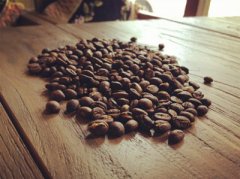
Colombian coffee producing area Colombian coffee elegant demeanor Colombian coffee characteristics brother
Coffee was first introduced to Colombia in 1808 when it was brought by a priest from the French Antilles via Venezuela. Today the country is the second largest producer after Brazil. Colombian coffee origin: Colombian coffee is one of the few original coffee sold in the world under the name of the country. In terms of quality, it can't get any other coffee.

A test of cafes and emotional values. Where do you like to go for coffee?
Professional baristas please pay attention to the coffee workshop (Wechat official account cafe_style) Coffee has a unique flavor and unique charm, so sweeping the world caused a coffee craze. There are cafes everywhere, like a three-step cafe and a five-step hall. If you like to drink coffee in a coffee shop, do you know that the coffee brewed in each cafe has a different flavor, even the same beans?

Characteristics of Colombian coffee beans story how should Colombian coffee be roasted?
Professional baristas follow the Coffee Workshop (Wechat official account cafe_style) in 1808, coffee was first introduced to Colombia (Colombia) and today the country is the second largest producer after Brazil, with an annual output of 13 million bags of 60 kg each, compared with Brazil's annual production of 22 million bags. Colombian coffee is one of the few individual coffees sold in the world under the name of the country. In

What is Colombian coffee? Where is the main producing area of Colombian coffee?
For more information on coffee beans, please follow the coffee workshop (Wechat official account cafe_style) in 1808, coffee was first introduced to Colombia by a priest from the French Antilles via Venezuela. Today, the country is the second largest producer after Brazil, with an annual output of 13 million bags of 60 kg each, while Brazil